




What Your Jeep Check Engine Light Means
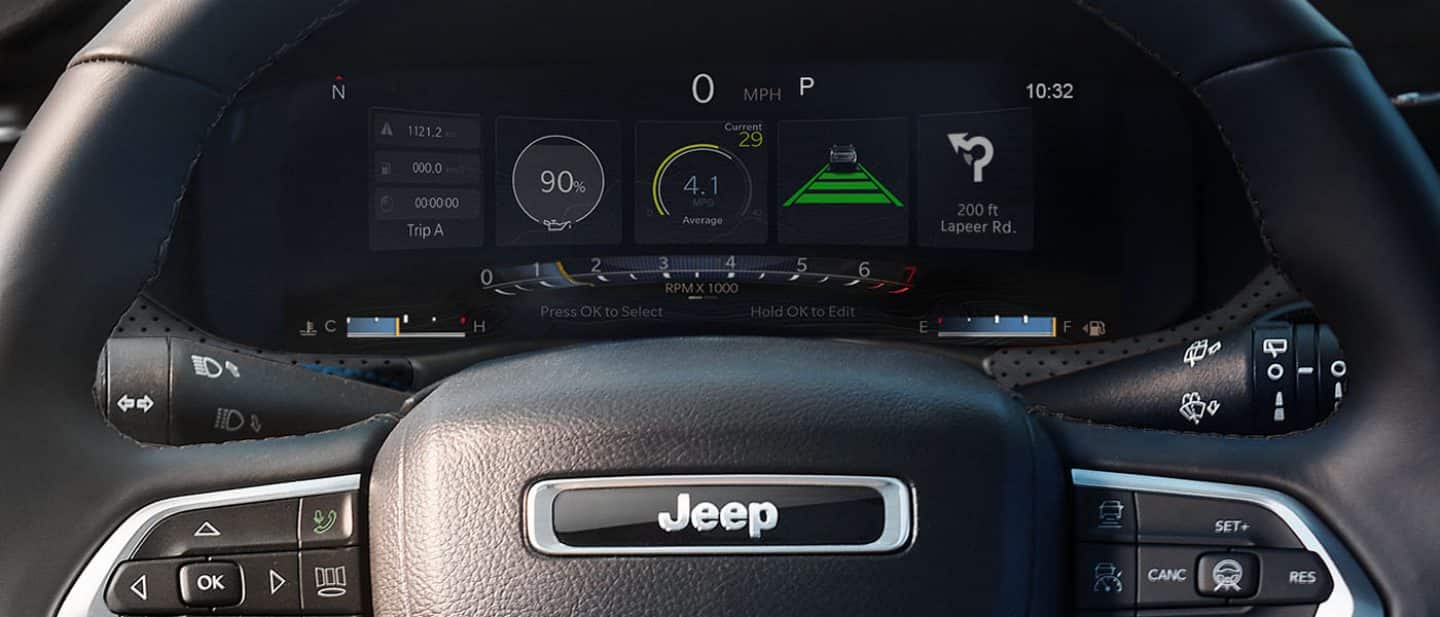
Photo Credit: Jeep
Demystifying Your Dashboard: A Guide to the Jeep Check Engine Light
When you are behind the wheel of a vehicle built for adventure, a sudden amber glow on your dashboard can quickly stall your peace of mind. This article explores the intricacies of the Jeep check engine light, offering clarity on what this warning signal actually means for your vehicle’s health. We will dive into the most frequent triggers behind the alert, outline the precise methods automotive technicians use to pinpoint the underlying issue, and explain why addressing the notification early can protect your wallet. Finally, we will answer some of the most frequently asked questions about this common automotive hurdle to help you drive with confidence.
What Does the Check Engine Light Actually Mean?
The appearance of a Jeep check engine light indicates that your vehicle’s On-Board Diagnostics (OBD) system has detected a malfunction within the engine, transmission, or emissions control setup. Rather than pointing to one specific broken part, the light serves as a general notification that something is operating outside of its engineered parameters. Modern Jeeps rely on a network of sensors that constantly monitor variables like air-to-fuel ratios, engine temperature, and exhaust output. When a sensor sends data that deviates from the norm, the computer logs a specific trouble code and illuminates the dashboard icon to alert the driver that professional attention is required.
Common Reasons Your Jeep Check Engine Light Comes On
- Loose or Defective Gas Cap: A loose, cracked, or missing fuel cap disrupts the sealed evaporative emissions system, allowing fuel vapors to escape and triggering the dashboard warning.
- Faulty Oxygen Sensor: The O2 sensor measures the amount of unburned oxygen in the exhaust; a failure here degrades fuel economy and can eventually ruin your catalytic converter.
- Misfiring Spark Plugs or Wires: Worn-out spark plugs or degraded ignition coils cause incomplete combustion, leading to rough idling, reduced power, and an active alert.
- Mass Airflow Sensor (MAF) Failure: This component calculates the volume of air entering the engine to determine how much fuel is needed; a malfunction results in poor performance and increased emissions.
- Catalytic Converter Degradation: Responsible for turning harmful carbon monoxide into safer gases, a failing converter usually triggers the light after smaller engine issues have been ignored for too long.
How Professionals Diagnose the Problem
When you bring your vehicle in to address a Jeep check engine light, automotive professionals follow a systematic diagnostic process that goes far beyond a simple code reading. Technicians connect a specialized, high-grade diagnostic scanner to your vehicle’s OBD-II port to retrieve the specific alphanumeric trouble codes stored in the computer’s memory. Because a single code can be triggered by multiple related components, the technician uses this data as a starting point to perform targeted physical inspections, live data streaming, and electrical testing. This comprehensive approach ensures that they identify the root cause of the malfunction—such as a frayed wire or a vacuum leak—rather than just replacing a functioning sensor.
Why Early Diagnosis Saves You Money
Ignoring a Jeep check engine light is a gamble that almost always results in higher repair bills down the road. While a vehicle might seem to drive normally with a solid warning light, minor issues like a failing sensor or a small vacuum leak force the engine to work harder and consume more fuel, costing you extra at the pump. Over time, unaddressed minor faults cascade into major mechanical failures; for instance, ignoring a cheap, faulty spark plug can cause unburnt fuel to melt your incredibly expensive catalytic converter. Investing in a prompt diagnostic check stops minor wear and tear from snowballing into catastrophic engine damage, keeping both your vehicle and your budget intact.
Frequently Asked Questions (FAQ)
Can I drive my Jeep with the check engine light on? If the light is steady and solid, you can generally drive the vehicle to your nearest service destination safely, though you should avoid towing heavy loads or driving long distances. However, if the light is flashing, it indicates a severe engine misfire that can cause immediate, expensive damage; in this scenario, you should pull over safely and call for assistance.
Will the check engine light reset itself after a fix? In some minor cases, such as tightening a loose gas cap, the light may turn off on its own after you complete a few driving cycles, allowing the computer to re-verify that the system is sealed. For more complex mechanical or electrical repairs, a technician will need to clear the trouble codes manually using a diagnostic tool.
Why does my check engine light come on and off occasionally? An intermittent light usually means that the problem occurs only under specific driving conditions, such as during heavy acceleration or in cold weather. Even if the light turns back off, the computer stores the historical trouble code, making it wise to have it scanned before the underlying issue becomes permanent.